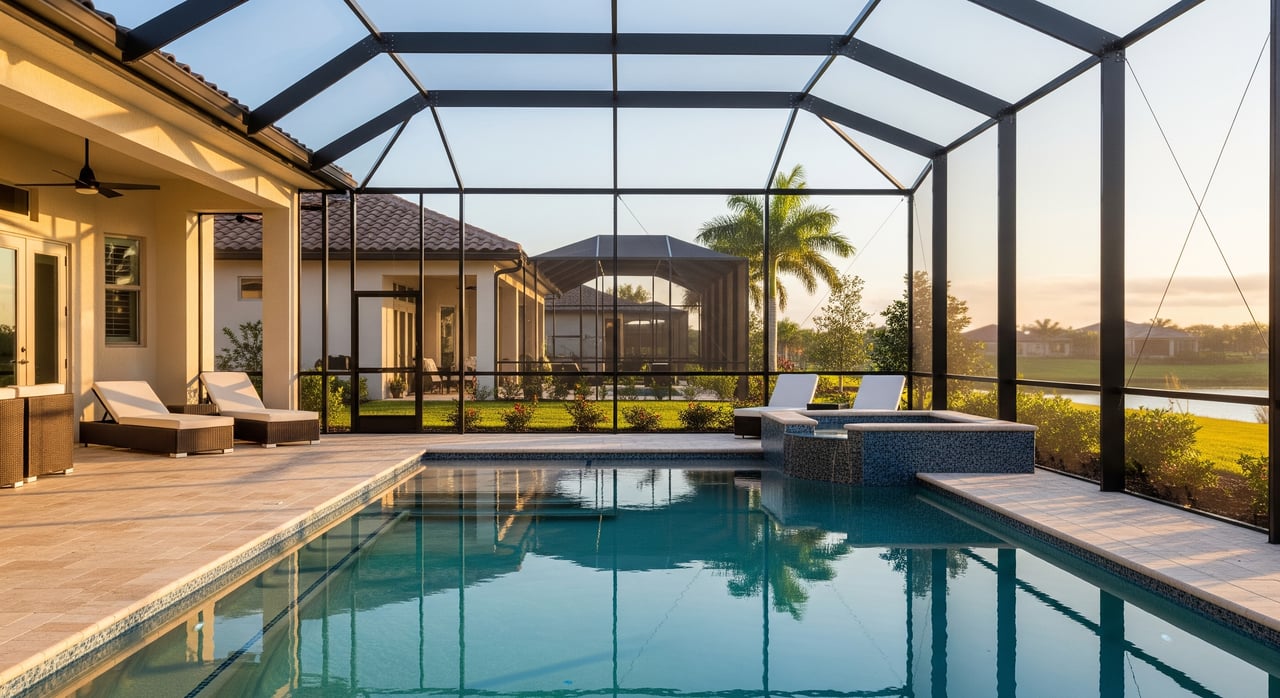
Thinking about turning your Davenport backyard into a resort-style retreat with a screened pool? You’re not alone. Polk County has clear rules to keep pools safe and projects on track, but the steps can feel confusing when you first start. In this guide, you’ll learn what needs a permit, which inspections to expect, smart design choices that look great in photos, and realistic timelines so you can plan with confidence. Let’s dive in.
Check jurisdiction first
Before you sketch a layout, confirm who oversees your permit. Many Davenport addresses fall under the Polk County Building Division in unincorporated areas, while properties inside a city boundary use that city’s process. If you’re in an HOA, factor in any neighborhood approval timelines or design rules.
What needs a permit in Polk County
If you’re adding an in-ground pool, you should plan on a building permit and separate trade permits for electrical, plumbing, and sometimes mechanical work. This applies whether the pool is gunite, fiberglass, or a framed vinyl liner.
For above-ground pools, many Florida counties use a 24-inch water depth threshold. In Polk County, treat above-ground pools over 24 inches as requiring permitting and barrier compliance, then verify current guidance with the county before you buy.
Screened enclosures usually require a separate structural permit. Designs must meet Florida Building Code wind loads and connection requirements. Expect additional permits if you add a gas heater or upgrade electrical service.
Barriers and gates must comply with code. Some counties include the barrier in the pool’s final inspection instead of a standalone permit, but you should still plan, build, and install barriers to current standards.
Pools near septic systems, recorded easements, wetlands, or flood zones may trigger added reviews. Plan on extra lead time if your site has any of these conditions.
What to submit with your application
A complete submittal helps you avoid delays. Typical documents include:
- Completed Polk County permit applications for building and relevant trades.
- A site plan showing lot lines, home footprint, pool and equipment location, distances to property lines, septic and utilities, easements, drive areas, flood zone designation, and the screened enclosure footprint.
- Construction plans for the pool and the screen enclosure with dimensions, materials, structural members, and footing details. Engineered drawings may be required for certain designs.
- Electrical diagrams for bonding, grounding, GFCI locations, conductor sizes, and routing to the service panel.
- Plumbing plans for suction and drain locations, skimmers, and any backflow prevention.
- Manufacturer specifications for prefabricated elements such as a fiberglass shell, prefab screen kit, pumps, heaters, and controls.
- Proof of contractor licensing or an owner‑builder declaration if you qualify.
- Fees and any authorized agent forms if your contractor applies for you.
- HOA approval letter if your neighborhood requires it.
Inspections you can expect
Counties name inspections differently, but the sequence is similar across Florida. In Polk County, plan for these checkpoints:
Pre-construction and structural
- Initial site and lot check to confirm placement, erosion control, and posted permits.
- Excavation or pre‑steel inspection to verify depth, locations, and reinforcement before gunite.
- Rebar and embed inspection to confirm reinforcing steel, bond wire, and embeds match the plans.
- Structural shotcrete or gunite inspection to verify the shell after placement.
Underground, plumbing, and electrical
- Underground plumbing with pressure tests if lines are buried before backfill.
- Electrical rough for bonding and grounding, conduit, wiring, and GFCI protection.
Equipment, screen, and barrier
- Equipment installation checks for pumps, filters, heaters, and any gas piping. Gas lines are often pressure tested with separate mechanical or gas inspections.
- Screen enclosure inspections for footing or post embed before concrete, then a final for framing and attachments.
- Barrier or fence inspection for height, latch placement, self‑closing gates, and spacing. Final checks often occur after landscaping and grading.
Final sign‑off
- Final inspection and certificate of completion once all trades and barriers pass.
Safety checks inspectors look for
- Correct bonding and grounding of the shell, metal parts, and equipment.
- GFCI protection on required circuits.
- Anti‑entrapment suction outlet covers and compliant entrapment protection.
- Barrier performance: height, latch operation, and non‑climbable openings.
Barrier rules and good‑looking safety
Most jurisdictions use a minimum 4‑foot barrier with self‑closing, self‑latching gates, but you should confirm Polk County’s current dimensions and latch heights before you build. If you want safety that looks clean in photos, consider these ideas:
- Ornamental aluminum fencing in a color that matches your screen enclosure for a seamless look.
- Frameless glass fencing where allowed by code for an open, unobstructed view.
- Discreet door or pool alarms that keep sightlines clear.
- Retractable safety covers that tuck away neatly when open and photograph as a clean plane when closed.
- Attractive, lockable storage for life rings and a shepherd’s crook so safety gear stays close, tidy, and photo‑ready.
Design choices that photograph beautifully
Your backyard will likely debut online, so plan elements that look great on camera and comply with code.
Screened enclosure styles
- A full pool cage creates clean lines, insect protection, and a uniform backdrop that shows off the water.
- A patio‑attached or low‑profile screen room can highlight indoor‑outdoor flow.
- Dark bronze or black powder‑coated aluminum frames reduce glare and help the water pop.
- Gable or hip roof frames add visual interest; hip roofs can read elegant and grounded in photos.
Pool shell and finishes
- Light plaster or pale pebble finishes make water look bright and clear.
- A glass or stone waterline tile band adds crisp contrast that reads well in close shots.
- Keep lines simple and symmetrical for balanced compositions.
Decking and hardscape
- Travertine or concrete pavers in warm neutrals offer texture and contrast with the water.
- Continuous decking lines that lead toward a focal point help camera angles.
- Integrated seating walls or broad steps add function and great staging for lifestyle shots.
Lighting and features
Underwater LED lighting in warm white or RGB creates drama at dusk.
Accent lighting on palms and architecture gives depth to evening photos.
Choose clean water features such as laminar jets or a slim glass spillway for a modern look.
Landscaping and staging
- Florida‑appropriate, low‑maintenance plants like palms, clipped hedges, and potted greens frame views while limiting debris.
- Conceal equipment behind painted enclosures or matching lattice to keep scenes uncluttered.
- Select durable, neutral furniture and a few complementary umbrellas. Avoid over‑styling.
Timelines, delays, and how to stay on track
Plan your schedule with realistic ranges:
- Permit application and plan review: about 1 to 4 weeks for straightforward packages. Engineering or floodplain reviews can add time.
- In‑ground pool construction: roughly 6 to 12 weeks once permitted, depending on complexity, weather, and contractor workload.
- Screen enclosure: often 2 to 6 weeks after footings and slab approvals.
- Inspections: commonly completed within 24 to 72 hours of request, subject to county scheduling.
- Overall project: many routine installs finish in 2 to 4 months from application to final sign‑off. Custom designs can take longer.
Common delays include incomplete submittals, HOA approval timelines, added engineering for enclosures or site conditions, utility conflicts, heavy rain or a high water table, and re‑inspections for items like bonding or barrier issues.
You can shorten timelines by doing a pre‑application check with the Polk County Building Division, submitting a complete site plan and manufacturer specs, using licensed contractors familiar with Polk County inspections, arranging utility locates through Sunshine 811 before digging, and scheduling inspections promptly with clear site access.
Next steps for Davenport homeowners
- Confirm if your address is under Polk County or a city jurisdiction.
- Review HOA rules and secure any needed neighborhood approvals.
- Talk with the Polk County Building Division about current submittal checklists, fees, and inspection windows.
- Coordinate Sunshine 811 locates, and discuss septic or utility clearances early.
- Hire licensed pool, electrical, plumbing, and screen contractors who know Polk County’s process.
If you’re upgrading to sell or planning a long‑term lifestyle move, thoughtful design and the right process can add value and keep you safe. When you are ready to align your backyard vision with your next home decision, let’s talk.
Ready to plan your next move around a pool lifestyle in Davenport? Schedule Your Personalized Consultation with Unknown Company and get local guidance tailored to your property and goals.
FAQs
Do I need a permit for an above‑ground pool in Polk County?
- Many counties use a 24‑inch depth threshold. In Polk County, treat pools over 24 inches as requiring permits and barrier compliance, then verify current rules with the county.
Does a screened enclosure require a separate permit?
- Screen enclosures are typically permitted as separate structures with their own structural review and inspections. Submit the enclosure with plans that meet Florida Building Code wind requirements.
What barrier height and gate type are usually required?
- Many jurisdictions require a minimum 4‑foot barrier and self‑closing, self‑latching gates. Confirm Polk County’s current dimensions, latch heights, and spacing before you build.
Which inspections check pool safety features?
- Inspectors verify bonding and grounding, GFCI protection, compliant suction outlet covers, and barrier performance. These checks occur during rough inspections and at the final.
How long does the whole process take in Davenport?
- Many projects run 2 to 4 months from permit application to final sign‑off. Plan for 1 to 4 weeks of plan review, 6 to 12 weeks of construction, and separate enclosure scheduling.
Do I need engineered plans for my pool or enclosure?
- Simple manufactured or prescriptive designs may not require full engineering, but custom pools, larger enclosures, or unique site conditions often need engineered structural drawings.