Trying to choose between a condo, townhome, or house in Altamonte Springs? With easy access to I-4 and SR-436, a diverse mix of communities, and quick trips to Orlando jobs, the right fit comes down to how you want to live day to day. You might be weighing maintenance, monthly fees, insurance, and HOA rules, along with financing and resale. This guide breaks it all down in plain language so you can compare options with confidence. Let’s dive in.
Altamonte Springs snapshot
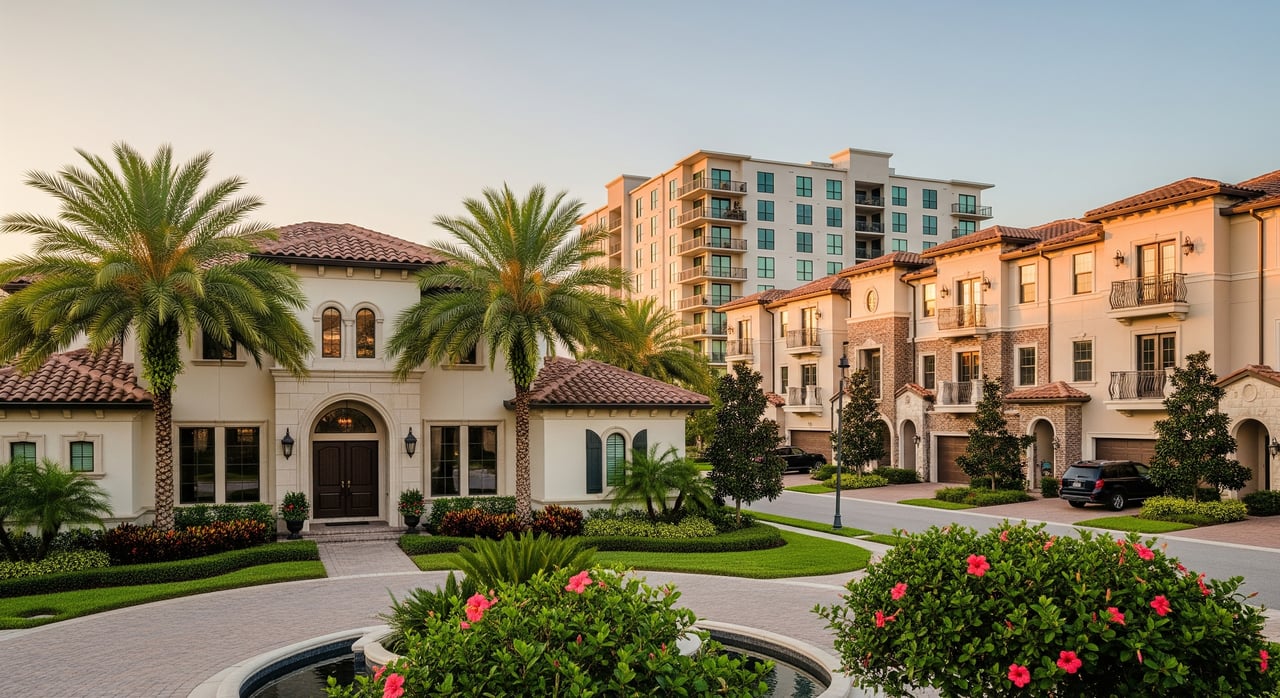
Altamonte Springs sits in Seminole County within the Orlando metro. The city’s location near I-4 and SR-436 shapes priorities like commute times, access to medical services, and proximity to shopping. Housing options range from mid-rise and garden-style condos to attached townhomes and detached single-family homes.
Many condo and townhome communities were built from the 1980s through the 2000s, with some newer infill. Single-family neighborhoods include both established subdivisions and newer developments. Because properties vary in age and style, it helps to match your maintenance comfort and budget to the community type.
Condo, townhome, or house: daily life
Condos: convenience and amenities
Condos often offer lower exterior responsibilities and convenient living. You may find amenities like a pool, gym, or security in multi-unit buildings. Living areas are usually smaller with limited private outdoor space.
Associations typically handle common areas, building exteriors, landscaping, trash, and sometimes utilities and exterior insurance. You handle the interior finishes and personal property. Shared walls and floors can mean more noise, which depends on building age and design.
Rules on rentals, pets, and renovations are defined by condo documents. After the Surfside collapse, Florida increased attention on structural inspections and reserves for certain buildings, so ask about inspection history and any required recertifications. Red flags include underfunded reserves, pending special assessments, ongoing litigation, unclear insurance coverage, and high rental percentages that can affect financing.
Townhomes: space with less upkeep
Townhomes give you more interior space and often a small private or semi-private outdoor area. Many are multi-level, which can be a plus for separation of space. HOAs are common and may include amenities and exterior maintenance.
Maintenance coverage varies by community. Some associations cover the roof and building envelope, while others put more responsibility on owners. Privacy is usually better than a condo but less than a detached home. Rules can include design standards, maintenance obligations, and rental or pet policies. Always read the covenants to learn what applies.
Single-family homes: maximum control
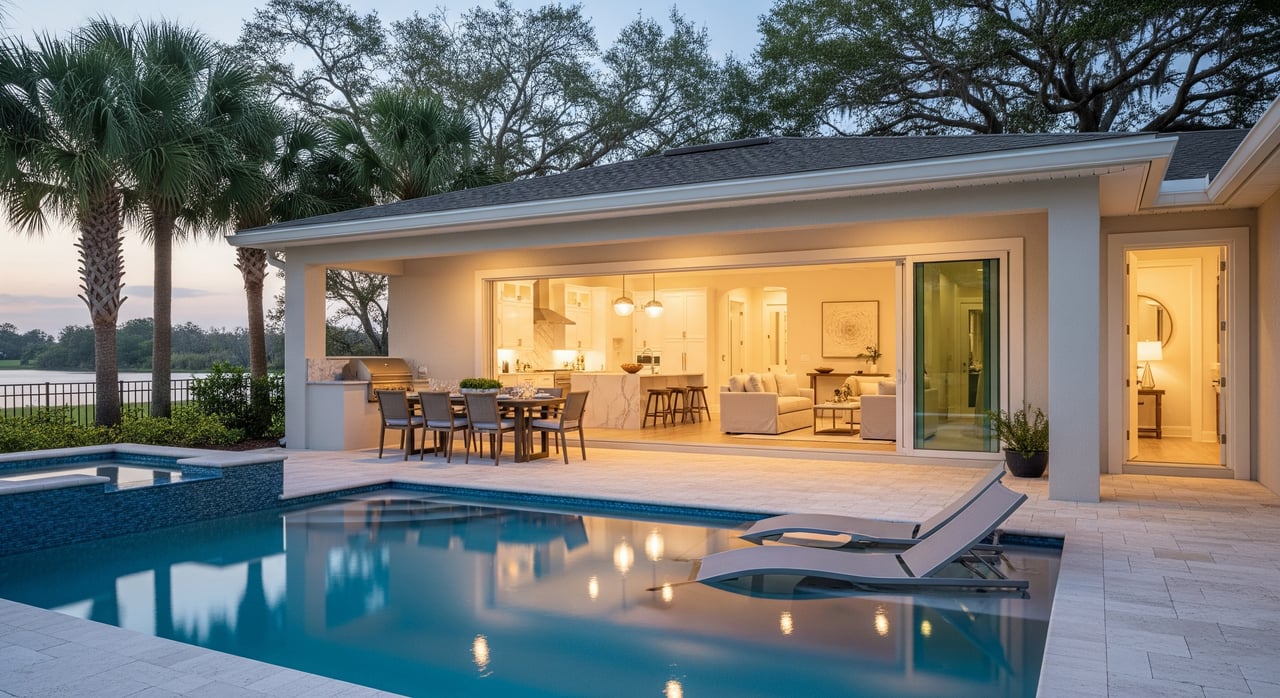
A detached home offers the most privacy and control over your property and outdoor space. This also means more time and cost for upkeep. You handle all interior and exterior maintenance unless an HOA provides limited services for common areas.
You generally have more flexibility to renovate or rent, subject to local zoning and any HOA rules. For downsizers, remember that older detached homes may require more upkeep than newer condos or townhomes. Decide whether you want to do the work yourself or hire services.
Monthly costs and fees: what to expect
Monthly costs look different across property types. Understanding who pays for what will help you compare apples to apples.
- Condos: Monthly fees are often higher because they cover pooled costs like exterior maintenance, master insurance, landscaping, and amenities. Some include utilities. You still carry a condo unit policy for the interior.
- Townhomes: Fees are often moderate if the association covers some exterior items and common areas. Coverage varies widely by community.
- Single-family homes: Some have no HOA fee. In HOA neighborhoods, fees usually cover common areas and amenities rather than building maintenance.
What to verify in HOA or condo documents:
- Exactly what the fee covers, including utilities, cable or internet, landscaping, exterior insurance, and staffing.
- Reserve funding and any recent reserve study.
- Fee increases and the history of special assessments.
- Any approved or proposed assessments and the reason.
Insurance in Florida: know your coverage
Wind, hurricane, and flood risks shape insurance choices in Seminole County. Policies and costs vary by location, building age, and the insurer.
Condos: master policy plus HO-6
Condo associations typically insure the building exterior through a master policy. You should carry an HO-6 policy to insure interior walls and finishes, personal property, and liability. Ask about loss assessment coverage to help with deductibles or assessments tied to covered claims.
Townhomes: check the master policy
Coverage depends on how the community is structured. Some associations insure exteriors and roofs, while owners insure the interiors. Others require owners to insure the entire structure. Confirm whether the master policy is bare walls-in or broader so you can buy the right policy for your part.
Single-family homes: HO-3 and key add-ons
Homeowners typically carry an HO-3 policy covering the structure, contents, and liability. Understand hurricane deductibles and what is excluded. Flood insurance is separate from standard policies, whether you buy through the National Flood Insurance Program or a private carrier. Review local flood maps and get quotes if the property is in a mapped flood zone.
Taxes and Florida advantages
If you plan to live in the property as your primary residence, Florida’s Homestead Exemption may reduce your taxable assessed value. The Save Our Homes cap can limit annual assessed value increases for homesteaded properties. Rules and amounts can change, so verify eligibility and the application process with the Seminole County Property Appraiser.
Investment or non-homestead properties do not receive the homestead benefit, which affects your long-term tax exposure if you plan to rent the property.
Financing differences that matter
Single-family and townhomes
Conventional, FHA, and VA loans are generally straightforward if the property and borrower qualify. Lenders will review HOA documents for attached townhomes, but most well-managed communities are acceptable.
Condos: project approval is key
Condo financing can be more complex. Programs like FHA, VA, Fannie Mae, and Freddie Mac have project approval standards. High investor ratios, large delinquencies, special assessments, litigation, or weak reserves can limit loan options.
If a project lacks full approval, some lenders offer single-unit approvals. Requirements vary, so it is smart to speak with a lender early and have your pre-approval conditioned on the condo review. This helps you avoid surprises during underwriting.
Down payment needs vary by product. For conventional loans under 20 percent down, private mortgage insurance applies. Some condo loans may require higher down payments depending on project status.
Resale and marketability
Condos often appeal to downsizers, young professionals, and investors. Governance issues, large assessments, or strict rental rules can impact demand. Townhomes draw buyers who want a balance of space and lower maintenance. Detached homes reach the widest buyer pool, with location, condition, and lot size driving value.
In Altamonte Springs, proximity to Orlando job centers, transit corridors, and everyday essentials will influence resale. Review local comparable sales to gauge expected performance in your target community.
Due diligence: documents and questions
Key documents to request
- Declaration, bylaws, and rules for the HOA or condominium.
- Current budget, last 2 to 3 years of financials, reserve study, and reserve balance.
- Board meeting minutes for the past 12 to 24 months.
- Master insurance certificate and policy declarations.
- Disclosures on any litigation involving the association.
- Recent building inspections or structural reports, especially for older condos.
- Rental policy and current rental percentage for condos.
- Special assessments, approved or proposed, with reasons and timelines.
- Recent capital projects, like roof or elevator replacements.
Smart questions to ask
- What does the monthly fee include and exclude?
- How well funded are reserves and when was the last reserve study?
- Are there planned assessments or known major repairs on the horizon?
- Is the condo or townhome project eligible for FHA, VA, or agency financing?
- What are the rental, occupancy, and pet policies?
- Has the building had required structural inspections or recertifications?
- What does the master insurance cover versus what I must insure?
- Are there any active lawsuits that may affect financing or fees?
Quick screening checklist
- Confirm the monthly fee and what it covers.
- Review the budget, reserve study, and two years of financials.
- Check for recent or upcoming special assessments and read board minutes.
- Verify master insurance coverage and owner policy requirements.
- Confirm building age, roof date, and major system updates.
- Ask your lender about project loanability for condos and attached homes.
- Review rules for rentals, pets, and renovations.
- Check flood maps and obtain insurance quotes if needed.
- Get early estimates from a local lender and insurance agent.
Match your lifestyle: a simple worksheet
Use this quick guide to see which option fits your priorities:
- Desire minimal exterior maintenance: High → Condo or townhome; Medium → Townhome; Low → Single-family home
- Need private outdoor space: High → Single-family home; Medium → Townhome; Low → Condo
- Want amenities like pool or gym included: High → Condo or amenity-heavy townhome; Low → Single-family home
- Need fewer shared walls and more quiet: High → Single-family home; Medium → Townhome; Low → Condo
- Comfortable with community rules and design standards: High → Condo or townhome; Low → Single-family home or non-HOA
- Prefer single-level living: High → Ground-floor condo, single-level townhome, or single-story home
- Low tolerance for special assessments: Consider a well-funded condo or townhome association, or a single-family home with known major systems
- Plan to rent in the future: Single-family or townhome may offer more flexibility, but always verify rental rules
- Prefer predictable monthly costs over variable repairs: Condo or townhome; if you prefer lower monthly fees, accept that house repairs can be more variable
Which is right for you?
If you value lock-and-leave convenience and included amenities, a condo can be a strong match. If you want more space with modest upkeep, a townhome balances lifestyle and maintenance. If privacy and control matter most, and you are comfortable managing repairs, a single-family home may fit best.
In Altamonte Springs, your choice also depends on commute needs, access to services, and the financial health of the community. Review the documents, talk to a lender early, and compare insurance scenarios so you see the full picture before you write an offer.
Ready to compare real listings and run the numbers side by side? Connect with the team at Satori Group for a personalized, local perspective.
FAQs
How do condo fees work in Altamonte Springs?
- Condo fees usually fund building insurance, exterior maintenance, landscaping, and amenities, with some communities also including utilities; review the budget, reserve study, and what is covered so you know your true monthly cost.
What is the Florida Homestead Exemption and Save Our Homes?
- Eligible primary residences can receive a homestead exemption that lowers assessed value, and the Save Our Homes cap limits annual increases in assessed value for homesteaded properties; confirm rules and application steps with the Seminole County Property Appraiser.
Are Altamonte condos harder to finance than houses?
- They can be, because lenders review the condo project’s approval status, reserves, rental ratios, delinquencies, assessments, and litigation; speak with a lender early and seek pre-approval that is conditioned on the condo review.
Do I need flood insurance in Seminole County?
- Flood insurance is separate from standard home or condo policies, and requirements depend on mapped risk; check flood maps for the specific property and obtain quotes if it is in a flood zone.
What should downsizers consider when choosing a condo, townhome, or house?
- Focus on single-level living, maintenance responsibilities, association rules, elevator access for condos, and the financial strength of the community to keep future costs manageable.
How do HOA rules differ between condos and townhomes?
- Condo rules tend to be more comprehensive due to shared structures and systems, while townhome HOAs vary widely, so always review the covenants, design standards, rental policies, and maintenance responsibilities for the specific community.